Table Of Content
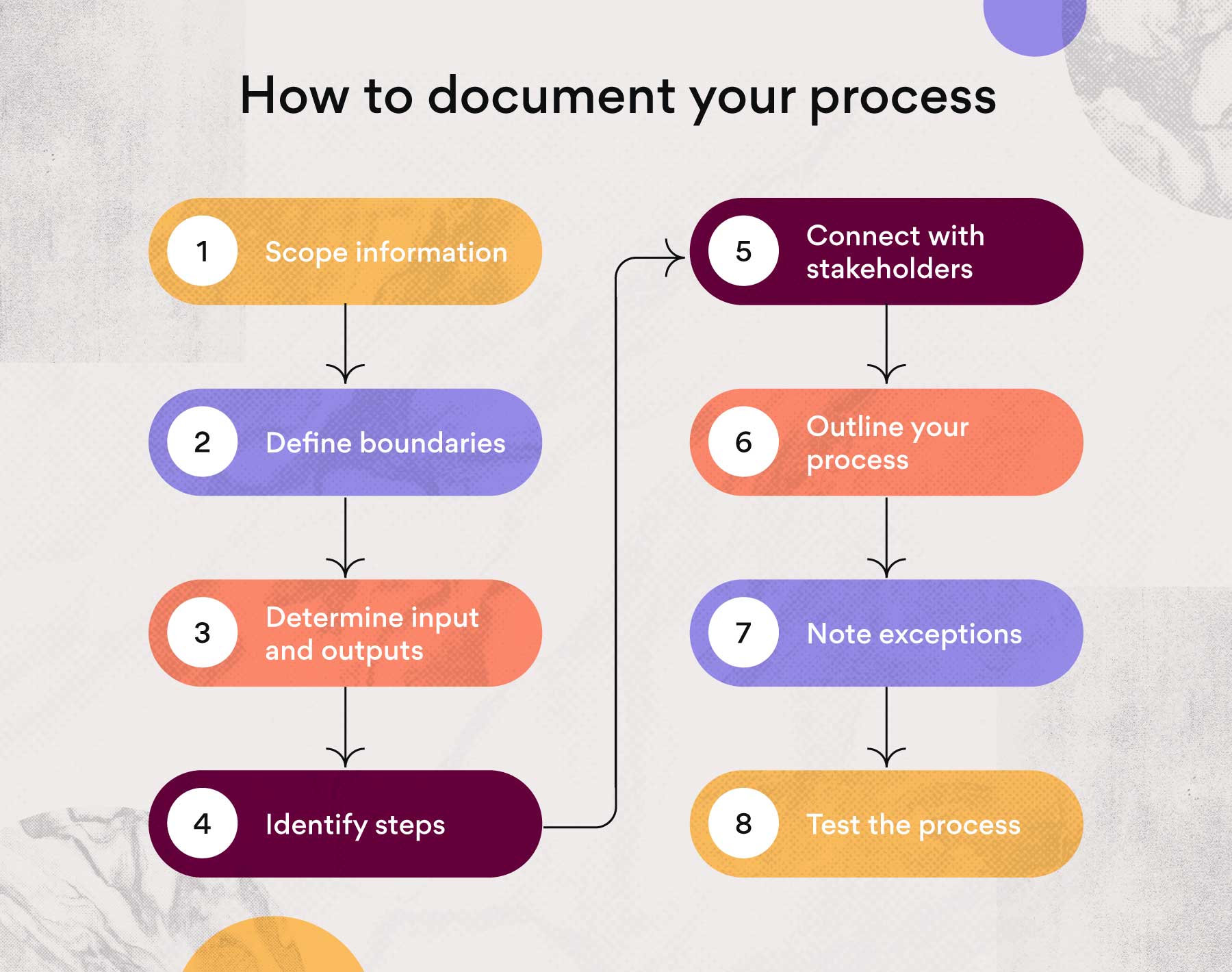
The formatting of your design documentation will need to be clear to ensure it’s easy to refer back to and legible to all readers. Because the design documentation is intended to be a catalog of the technical design details of a project, comprehensive API documentation is an important component of these records. We often accompany this with details on testing, QA plans, and processes to ensure the product or service being designed meets designated industry standards and fulfills user and company requirements.
Onboarding new team members
We’re opening up the operating system that powers our Meta Quest devices to third-party hardware makers, giving developers a larger ecosystem to build for and ultimately creating more choice for consumers. This platform is the product of a decade of investment into the underlying technologies that enable mixed reality, and opening it up means a lot more people will benefit from that investment. We’re working with leading global technology companies to create a new ecosystem of mixed reality devices, and we’re making it even easier for developers to build mixed reality apps. Network interconnect provides intelligent routing between sites connected to the Secure Connect network fabric.
Making Sure Software Documentation Remains Relevant
Milestones are essentially checkpoints—they help stakeholders know when certain aspects of the project will be completed. You can also use them to show the client measurable steps your teams are taking to finish the project. Not every section of the documentation structure is mandatory, it will always depend on the project type and size to define what you’ll need to use. Design documentation requires a fine balance of time and effort. You don’t need to create super fancy web pages with embedded prototypes—documentation should be easy to produce—but you do need to put some elbow grease into it. It’s much easier and efficient to represent all the variables in a matrix instead than of writing them out in a long-form text.
Description of the processes
Clientless access addresses situations where installing Secure Client on a remote user’s device might not be feasible or desirable. The long-term success of a design system depends on its maintenance, usage, and adoption across an organization. The work is far from finished when the first set of UI components and guidelines has been created.
Start with a summary
When creating your design documentation, the labels you use to organize and categorize each section should have clear yet descriptive headers that enable readers to quickly find what they’re looking for. It’s a maraton, not a sprintDesign documentation is not a one-time activity. You won’t be able to create all of the documents before the project, and that’s not the point of it.
Documentation of all forms saves time in the long run, and it makes your decisions better. Whether it’s a bash script or a newsletter signup component, you scrutinize it that little bit more when you commit to it as a standard rather than a one-off choice. Here at the Guardian, for example, our Source design system Storybook can be viewed by anyone, and its code is publicly available on GitHub. As well as being a proving ground for the system itself, it creates a space for knowledge sharing.
As it gives insights into the design process and reasoning behind decisions, it helps ensure the entire team remains aligned and informed throughout the project’s lifecycle. First, it’s essential to keep documents connected, as a design document usually represents just one part of the overall project documentation. An index created at the beginning of each document can help by showing related project documents, thereby maintaining connectivity among them.
Both the questions you ask and the notes you take on the answers will determine how close to the mark your final product hits. The research phase is where you make sure you’re going in the right direction instead of blindly sprinting ahead. Being prepared and having a solid plan means you won’t have to backtrack as much later, so a little extra work at the beginning saves you a lot of time and effort at the end. That’s not to say that documentation is no longer relevant — quite the opposite, it’s more important now than ever before. Page archetypes may be defined as part of a design system, particularly more mature systems.
Guest Access, Client Portals & Data Rooms
Show the same care and attention to detail in your design documentation that you expect users to show in applying it. Documentation should be the first and best example of it in action. Accommodate agile, constant development by integrating your design documentation with the code base itself. Documentation often has a technical bent to it, but this article is about how it can be applied to digital design — web design in particular. The idea is to get the best of both worlds to make design documentation that is both beautiful and useful — a guide and manifesto all at once. But these can’t be achieved if there’s any vagueness whatsoever about what the job actually is.
In my 25 years of experience, I have never once worked on a project where this didn’t happen—and that includes my own applications (i.e., where I was my own client). Even then, I created a design document with detailed specifications, and adjusted it as necessary. Here, I’ll layout the example structure of a proper design document. For another example, see Joel Spolsky’s sample specification, based on this write-up.
Although this may seem obvious, you can easily lose this kind of information once a project is underway. Having a catalog of design information allows stakeholders to refer back to a project’s origins and ensure that it still serves the purpose it was designed for. Design documentation holds significant value for a number of reasons, the main one being that it serves as an important record of why a team launched a project. Meanwhile, a style guide provides guidelines, best practices, and standards for the visual elements of the design.
The EQIPD framework for rigor in the design, conduct, analysis and documentation of animal experiments - Nature.com
The EQIPD framework for rigor in the design, conduct, analysis and documentation of animal experiments.
Posted: Mon, 05 Sep 2022 07:00:00 GMT [source]
By creating a software design document, your engineering team and other stakeholders can establish exact expectations for the project before you start coding. While there’s no surefire way to avoid reworking elements of your project, an SDD is a good place to start. Similarly, before you dive into a project and start coding, it’s important that you (and other stakeholders) know exactly where you’re headed.

Much like a map, a software design document can help keep you and your team on track from the start of a project to the last lines of code. As a software engineer, I spend a lot of time reading and writing design documents. After having gone through hundreds of these docs, I’ve seen first hand a strong correlation between good design docs and the ultimate success of the project. Design documentation is important because it tells the story of why and how a product or project was designed. It helps everyone involved understand what was done and why, so that the final result is the best it can be.
The better integrated the documentation is with the projects it guides, the more maintenance will take care of itself. As components and best practices change, as common issues arise and are ironed out, the system and its documentation can evolve in kind. What’s more, if there are stories from the formation of your system, writing articles or blog posts are also totally legit ways of documenting it. What did the New York Times do when they developed a design system? Once you’ve gone through the trouble of creating a design system and explaining how it works, why keep that to yourself?
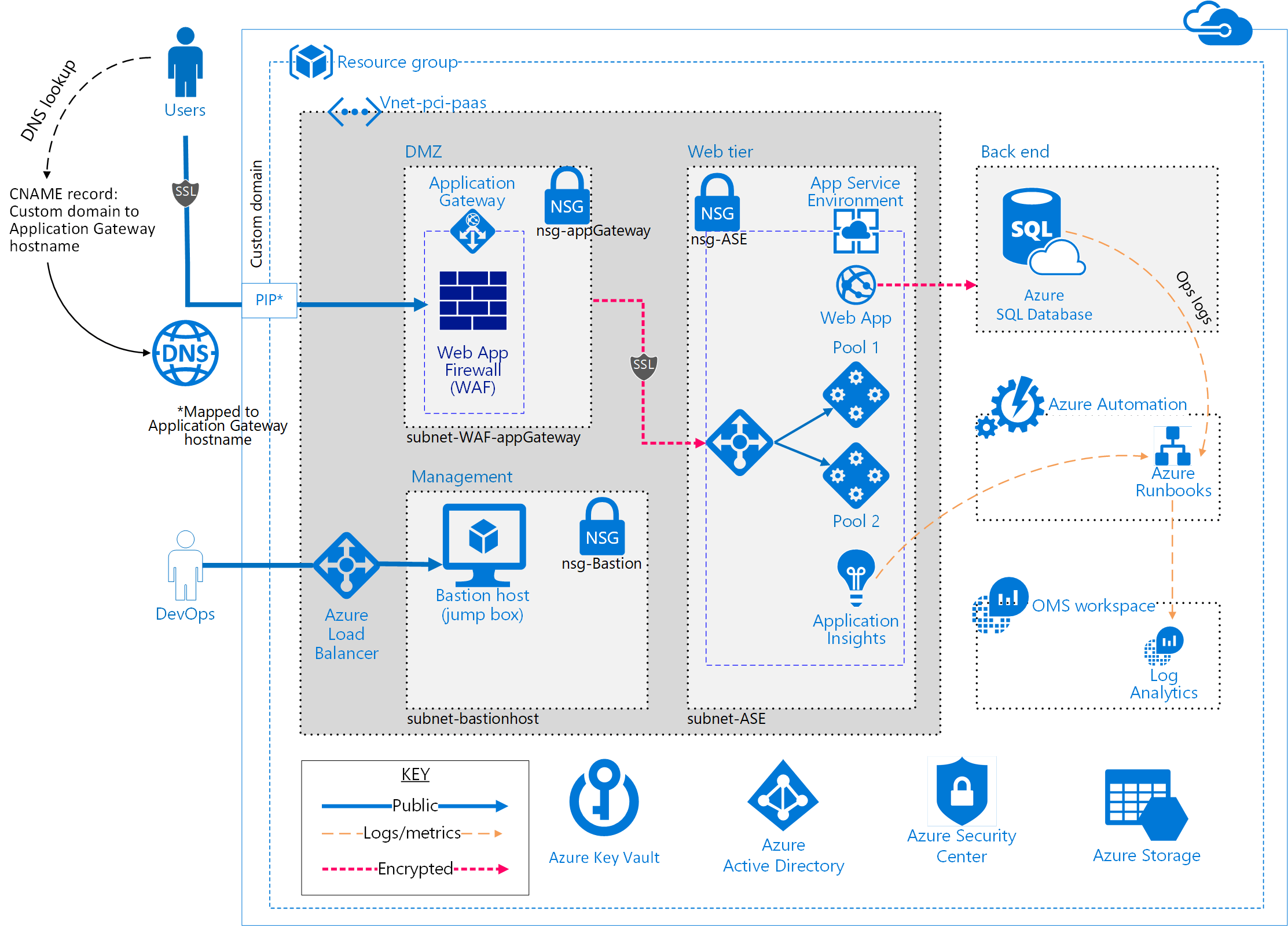
But don’t stop there — a lot of smaller projects could benefit from a mini design doc too. You can arrange your documents in shared folders for extra transparency, as well as add editors to any document so that they can contribute to your work. Additionally, anyone with an Overflow share link can have access to any project on their browser, as well as leave feedback. A common issue in teams is that each member does things their way, thus creating discrepancies in the common process and leading to bottlenecks.
Now, let’s also throw in some best practices to keep you on track. Give your readers a roadmap to help them navigate your document by starting with a table of contents. Generally, the table should list all the sections and topics covered in the UX documentation. Documenting these guidelines is necessary for the success of your design project. It’s not enough to list them; you should also explain how to use them and provide examples. Doing this will facilitate collaboration among various members of the team.




No comments:
Post a Comment